
Why Track & Field and Cross Country Athletes Must Build a Recruiting Strategy Earlier Than Ever
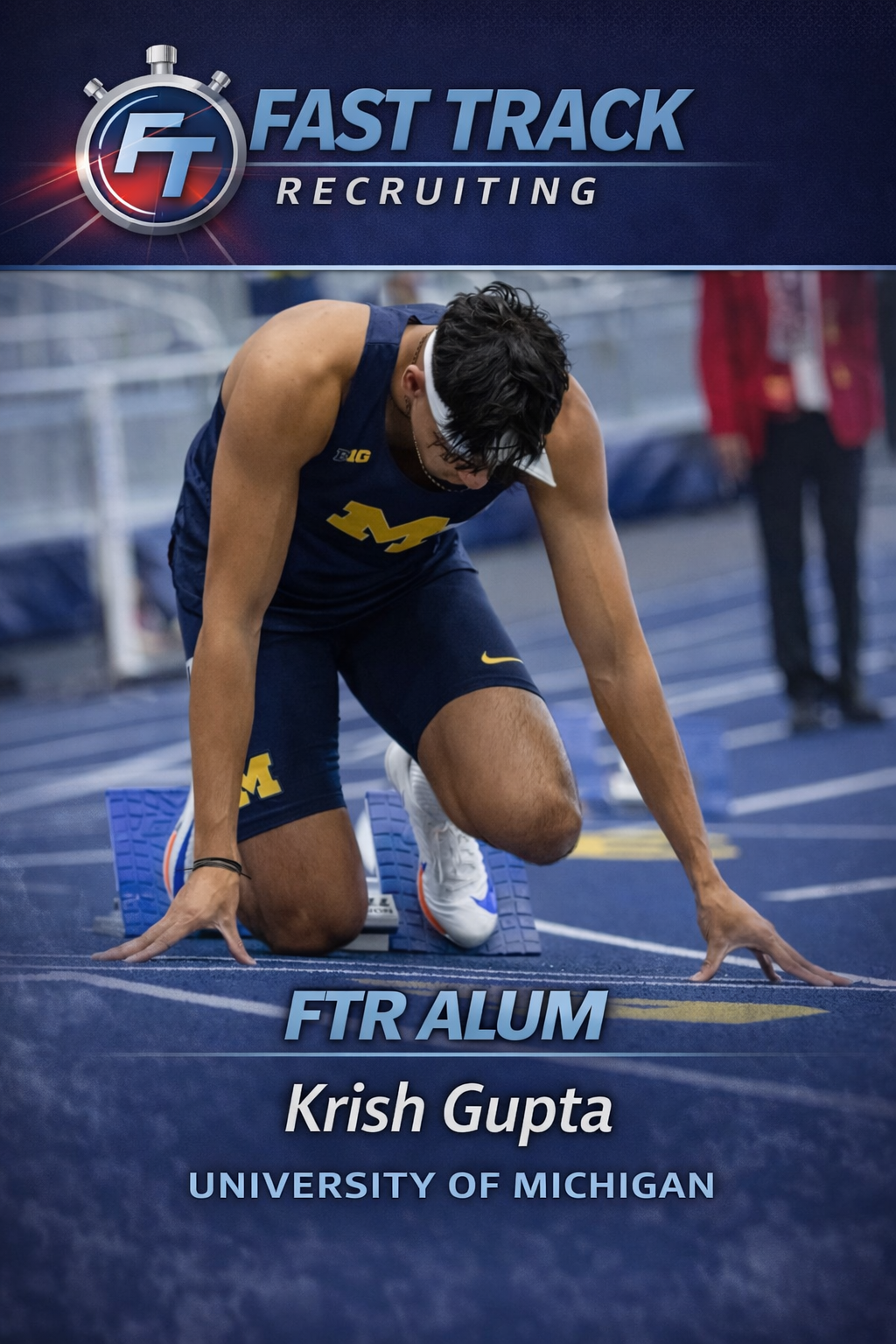
College recruiting for track and field and cross country has changed significantly. New roster limit legislation is reshaping how coaches recruit and how early athletes need to engage in the process.
While these changes may appear to affect only top Division I programs, the reality is different. Roster limits have created a trickle-down effect that impacts every level of college track and cross country, from Power Four to Ivy League, Division II, and Division III.
For runners, waiting to “start recruiting later” is no longer a reliable plan.
How Roster Limits Are Changing Track and Cross Country Recruiting
Track and field has always involved careful roster management. Coaches must balance event groups, scholarship limits, development timelines, and gender requirements.
With new roster limits in place, coaches now face:
Fewer total roster spots
Less flexibility for late additions
Greater pressure to recruit athletes earlier
The Trickle-Down Effect Across All College Levels
Even athletes not targeting elite Division I programs are affected by these changes.
Here’s how the trickle-down works in track and cross country:
Top programs secure recruits earlier
Mid-major and Ivy-level programs move their timelines forward
Division II and III schools feel pressure to commit athletes sooner
The result is a faster recruiting cycle across all divisions. Strong runners who wait often discover that rosters are already full.
Why Waiting Is Riskier for Runners Than It Used to Be
Track and cross country recruiting is still performance-driven, but timing now plays a bigger role.
With smaller rosters:
Coaches can’t afford to hold spots open
Late PRs may come after needs are filled
Developmental roster spots are harder to find
Transfers are taking roster space once reserved for freshmen
If communication with coaches hasn’t started early, even strong performances may not lead to opportunities.
What an Early Recruiting Strategy Looks Like for Runners
Starting early does not mean committing early. It means being organized and intentional.
An effective recruiting strategy for track and cross country athletes includes:
Identifying realistic college levels by event group
Building a target list of schools that recruit your specific events
Understanding roster needs and graduation timelines
Communicating with coaches before peak competition seasons
Planning visits and unofficials at the right time
Athletes who take this approach stand out as prepared, coachable, and serious.
When Should Track and Cross Country Athletes Start the Process?
A realistic recruiting timeline looks like this:
Freshman year Learn the recruiting landscape and understand performance standards.
Sophomore year Identify likely divisions and programs. Begin initial outreach.
Early junior year Build consistent communication, visit campuses, and gain recruiting traction.
By the time many athletes “start thinking about recruiting,” prepared runners are already well into the process.
Why Parents Need to Be Involved Earlier
Recruiting today involves more than times and marks. Admissions standards, financial aid, roster balance, and academic fit all matter.
Families who engage early:
Understand realistic options sooner
Avoid last-minute pressure
Preserve both athletic and academic choices
Waiting reduces flexibility. Planning creates options.
Final Thoughts
Roster limit legislation has permanently changed college track and cross country recruiting. Opportunities still exist, but the timeline is faster and the margin for error is smaller.
Creating a recruiting strategy early isn’t about doing more. It’s about doing the right things sooner.
In today’s environment, the athletes with the best outcomes aren’t just the fastest. They’re the most prepared.